
Full vs Interim Car Service
When booking your car into a garage, you may be offered several different servicing options. Two of the most common are a full service and an interim service. However, many motorists aren’t sure which one their vehicle actually needs.
If you’re looking for vehicle servicing Barnsley, understanding the difference can help you choose the right level of maintenance for your car.
What Is an Interim Car Service?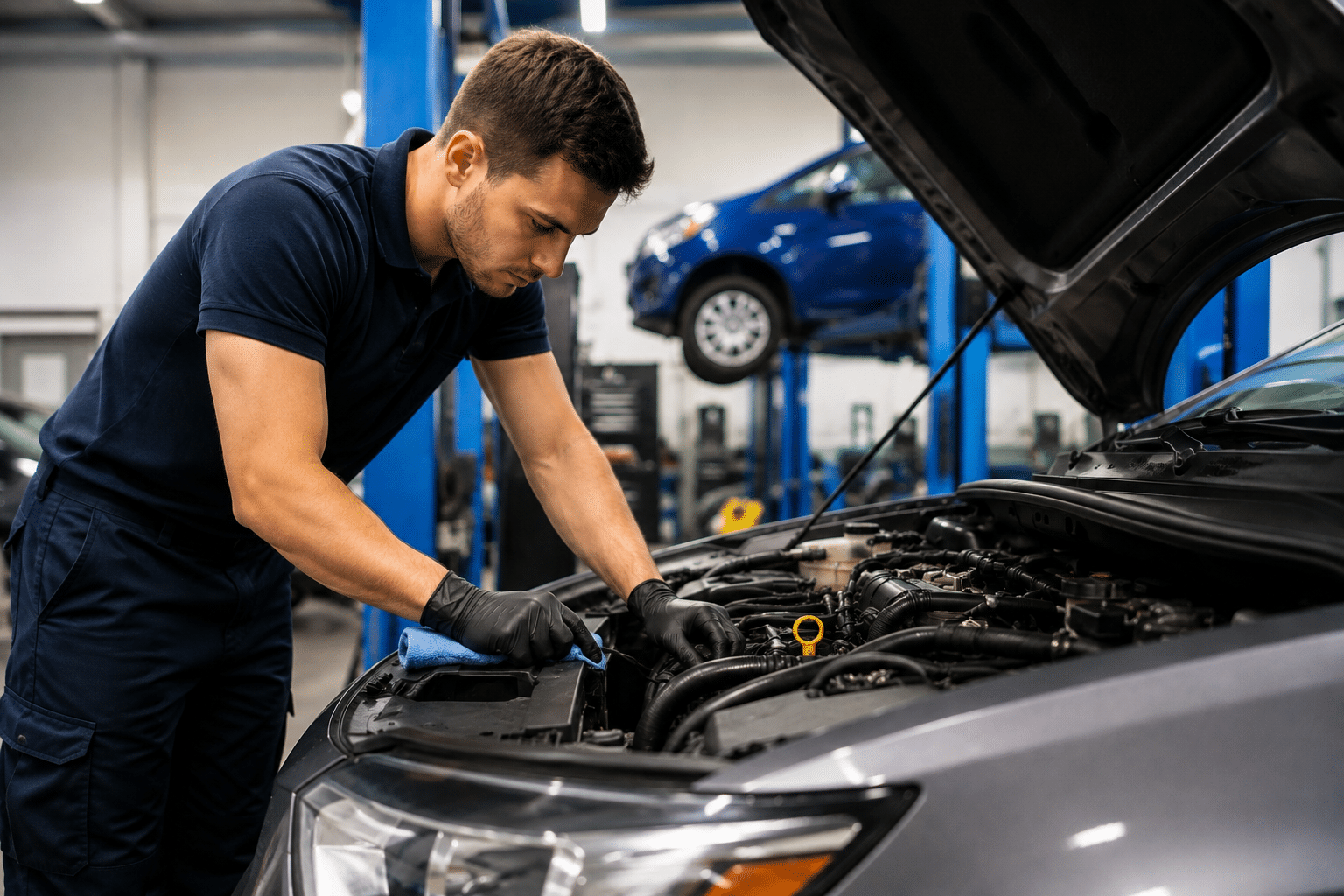
An interim service is designed as a maintenance check between full services. It can be particularly useful for motorists who cover a lot of miles throughout the year. For example, if you regularly commute long distances, your car’s oil, tyres, brakes and other components may experience more wear. An interim service commonly includes an oil and filter change alongside checks of important components and fluid levels.
Depending on the vehicle and garage, this can include checking:
- Engine oil and oil filter
- Tyres and tyre pressures
- Brakes
- Coolant
- Brake fluid
- Windscreen washer fluid
- Lights
- Steering and suspension
An interim service shouldn’t normally replace your regular full service. Instead, it provides an additional check between more comprehensive services.
What Is a Full Car Service?
A full service involves a more comprehensive inspection of your vehicle. In addition to changing the engine oil and oil filter, the mechanic will inspect a wider range of components. Other filters, fluids and serviceable parts may also need attention depending on the vehicle and its servicing schedule.
The exact requirements can vary between different manufacturers, models and engines. Therefore, it’s important that servicing takes your particular vehicle into consideration. Regular full servicing can also help identify developing problems. Catching worn or damaged components early could prevent them from causing additional problems later.
What Is the Difference Between a Full Service and an Interim Service?
The main difference is the number and depth of checks carried out. An interim service focuses on essential maintenance and safety checks. A full service is much more comprehensive and examines additional areas of the vehicle. Think of an interim service as a check-up between your main annual services.
For motorists who only cover average mileage, an annual full service may be appropriate, depending on the manufacturer’s schedule. However, high-mileage drivers may benefit from an interim service between full services. Always check your vehicle handbook or manufacturer’s servicing schedule for specific intervals.
Do High-Mileage Drivers Need More Frequent Servicing?
Potentially, yes. The more miles you drive, the quicker certain components and fluids can deteriorate. This is particularly relevant for motorists who regularly travel long distances for work. Delivery drivers, sales representatives and people with long daily commutes may accumulate significant mileage throughout the year. An interim service can provide additional reassurance between full services. It also gives your mechanic another opportunity to identify excessive wear or developing problems.
Does an Interim Service Include an Oil Change?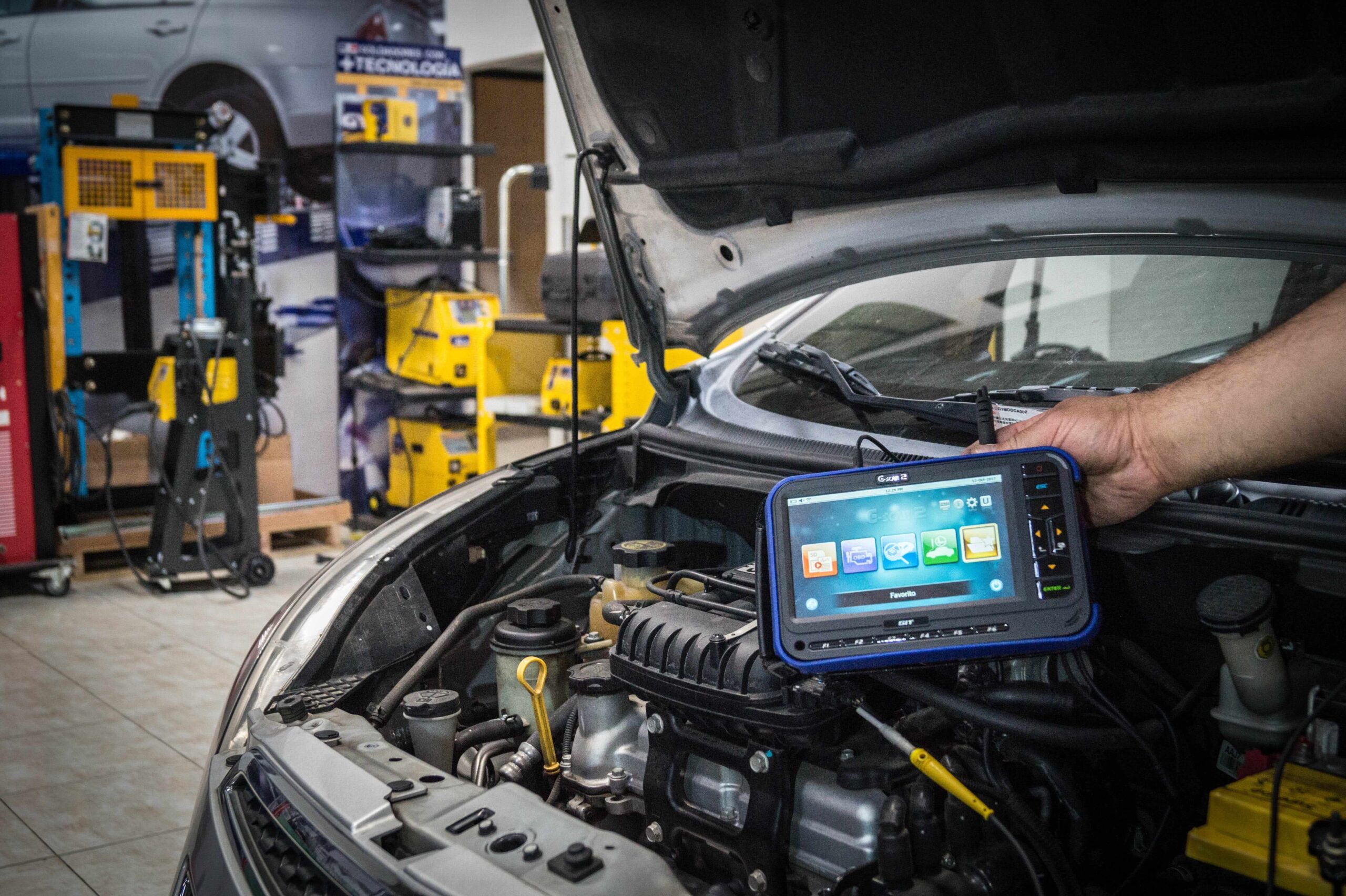
An oil and filter change is commonly included as part of an interim service. Engine oil plays an essential role in lubricating moving engine components. However, oil gradually deteriorates and becomes contaminated during normal use. Fresh oil helps protect the engine and maintain effective lubrication. The correct oil specification is also important. Different engines require different grades and specifications, so the appropriate oil should always be used for your vehicle.
Is a Full Service the Same as an MOT?
No. An MOT and a vehicle service serve different purposes. An MOT is a legal inspection designed to check whether a vehicle meets minimum road safety and environmental standards at the time of testing.
A service is preventative maintenance. Therefore, passing an MOT doesn’t mean your vehicle doesn’t need servicing. An MOT doesn’t replace routine maintenance such as changing engine oil and filters. For convenience, many motorists arrange their annual service and MOT around the same time.
Can Regular Servicing Save Me Money?
Regular servicing involves an upfront cost, but it can potentially reduce larger repair bills. For example, identifying a worn component during a service may allow it to be replaced before it causes damage elsewhere. Servicing can also help maintain engine performance and efficiency. Furthermore, a comprehensive service history can be attractive to future buyers when you eventually sell your vehicle. Skipping maintenance may save money initially. However, neglected problems can become considerably more expensive to repair.
Which Type of Service Does My Car Need?
There isn’t one answer for every vehicle.
The right service depends on factors including:
- Your annual mileage
- The age of the vehicle
- Manufacturer recommendations
- Previous servicing
- How the vehicle is used
If you’re unsure, speak to your garage. They can check your vehicle’s servicing history, mileage and manufacturer’s recommendations before advising you.
Vehicle Servicing in Barnsley
At Wyatt Auto Services, we provide both full and interim vehicle servicing for customers throughout Barnsley, Wombwell and the surrounding areas. Our experienced team works on a wide range of makes and models. We can also service vehicles that are still under manufacturer warranty using the appropriate parts and servicing requirements.
So, What Is the Difference Between a Full Service and an Interim Service? An interim service provides essential maintenance between major servicing intervals, while a full service offers a much more comprehensive inspection of your vehicle. If you’re unsure which service your car needs, we’ll be happy to advise you.
Contact Wyatt Auto Services
For reliable vehicle servicing Barnsley, contact Wyatt Auto Services today. Whether your car requires a full service, interim service, MOT or repairs, our local team can help keep your vehicle on the road. Call us today to book your vehicle in.