
Why Is My Car Overheating?
Few things are more worrying for a driver than seeing the temperature gauge climb into the red. If you have ever found yourself asking, “Why is my car overheating?”, it is important to understand the possible causes and what action you should take. An overheating engine can lead to serious damage if ignored, resulting in costly repairs and unexpected breakdowns.
In this article, we will explain the most common reasons why a vehicle overheats, the warning signs to watch for, and how professional maintenance can help keep your car running safely.
What Does It Mean When a Car Overheats?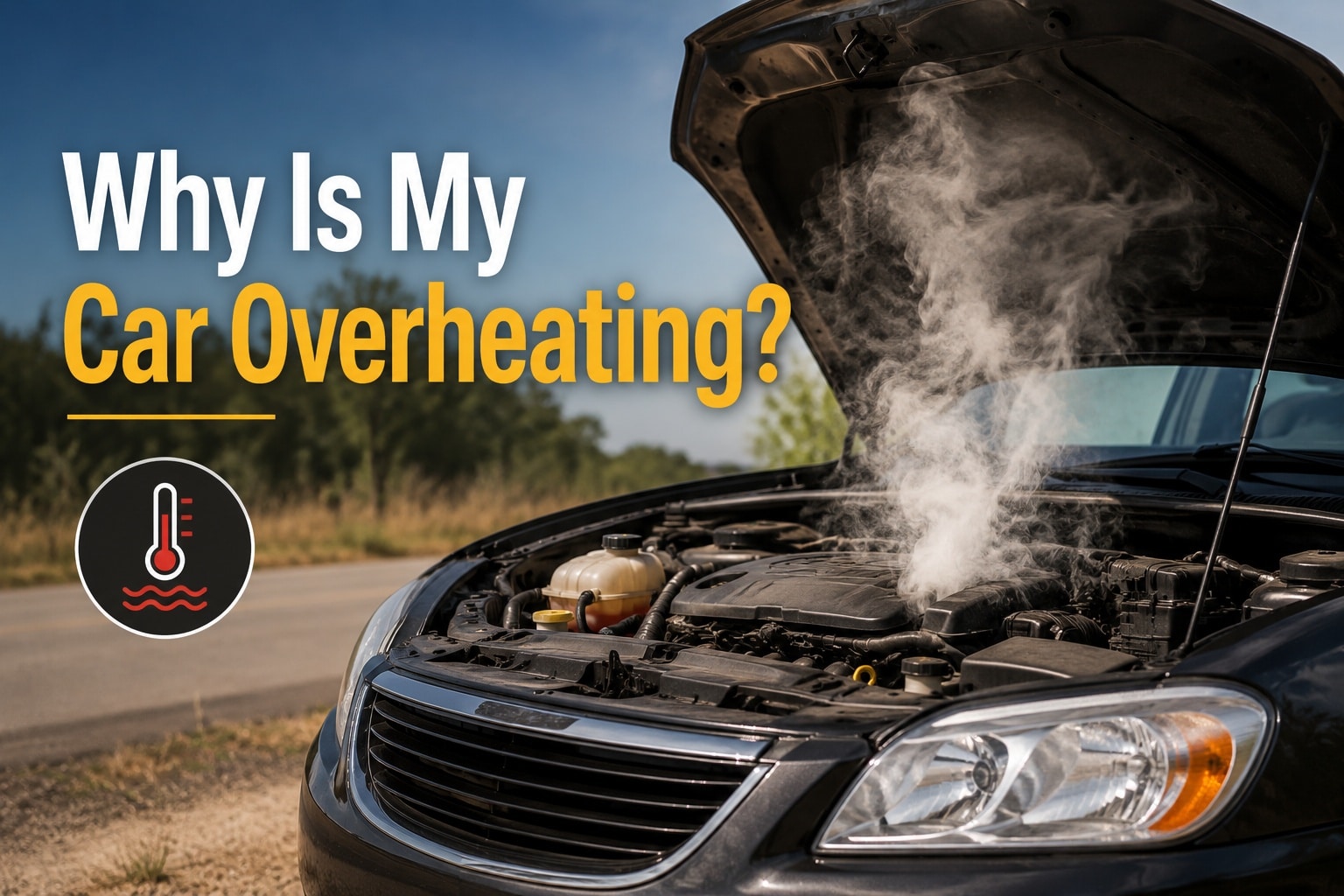
Your vehicle’s engine generates a significant amount of heat while running. The cooling system is designed to regulate this temperature and prevent damage. When something within the cooling system fails, the engine temperature can rise beyond safe levels.
If you notice steam coming from under the bonnet, a high temperature reading on the dashboard, or warning lights appearing, your car may be overheating. Understanding Why Is My Car Overheating? can help you act quickly and avoid expensive repairs.
Low Coolant Levels
One of the most common causes of engine overheating is low coolant. Coolant circulates through the engine and radiator, carrying heat away from critical components.
Over time, coolant levels can drop due to leaks, evaporation, or poor maintenance. Even a small leak can gradually reduce the amount of coolant available, causing temperatures to rise.
Signs of low coolant include:
- Frequent overheating
- Visible coolant leaks
- Sweet-smelling odours
- Low coolant warning lights
Regular checks can help identify issues before they become serious.
A Faulty Thermostat
The thermostat controls the flow of coolant through the engine. When the engine reaches its operating temperature, the thermostat opens and allows coolant to circulate.
If the thermostat becomes stuck in the closed position, coolant cannot flow properly. As a result, heat builds up rapidly within the engine.
A faulty thermostat often causes sudden overheating and should be replaced as soon as possible to prevent further damage.
Problems with the Radiator
The radiator plays a vital role in cooling the engine. It releases heat from the coolant before the fluid is circulated back through the system.
Radiators can become blocked by dirt, rust, or debris. Additionally, corrosion can cause leaks that reduce cooling efficiency.
Common radiator issues include:
- Coolant leaks
- Internal blockages
- Damaged radiator fins
- Corrosion
A professional inspection can quickly determine whether the radiator is causing the overheating problem.
Water Pump Failure
The water pump is responsible for moving coolant throughout the engine and cooling system. Without proper circulation, the coolant cannot absorb and remove heat effectively.
A failing water pump may produce unusual noises, coolant leaks, or engine overheating. Because the pump is such an important component, any faults should be addressed immediately.
Ignoring a failing water pump can result in severe engine damage and potentially complete engine failure.
Cooling Fan Problems
Modern vehicles rely on cooling fans to help regulate engine temperatures, particularly when driving in traffic or at lower speeds.
If the cooling fan stops working, airflow through the radiator is reduced. This means heat cannot dissipate effectively, causing temperatures to increase.
Electrical faults, damaged fan motors, or blown fuses are common reasons for cooling fan failure. A qualified technician can diagnose the issue and recommend the most suitable repair.
What Should You Do If Your Car Overheats?
If your vehicle starts overheating while driving, pull over as soon as it is safe to do so. Turn off the engine and allow it to cool completely before opening the bonnet.
Never remove the radiator cap while the engine is hot, as pressurised coolant can cause serious burns.
Once the engine has cooled, check the coolant level if it is safe to do so. However, if you are unsure of the cause, it is best to seek professional assistance rather than continue driving.
Continuing to drive an overheating vehicle can cause damage to the head gasket, cylinder head, or engine block.
Why Choose Wyatt Auto Services for Car Repairs in Barnsley?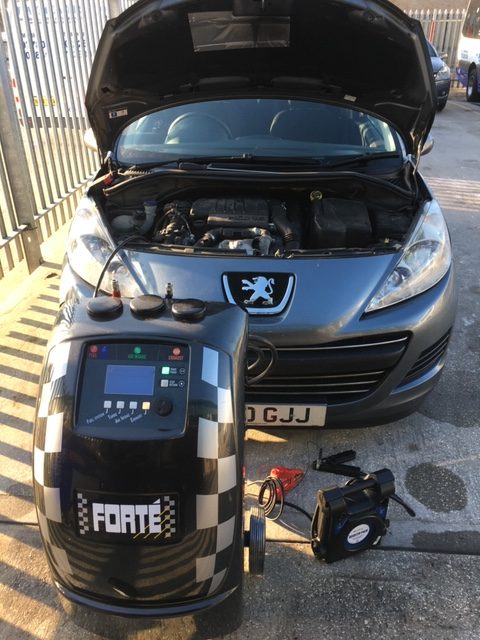
When dealing with an overheating vehicle, choosing an experienced garage can make all the difference. Wyatt Auto Services has built a strong reputation for delivering reliable vehicle maintenance and repair services throughout the local area.
Whether the problem involves a faulty thermostat, damaged radiator, coolant leak, or water pump failure, the team has the expertise and equipment needed to diagnose and repair the issue efficiently.
Customers trust Wyatt Auto Services because of their honest advice, quality workmanship, and commitment to keeping vehicles safe and roadworthy. If you are searching for car repairs Barnsley, their experienced technicians can provide a professional solution tailored to your vehicle’s needs.
Preventing Future Overheating Problems
Regular servicing is one of the best ways to prevent overheating issues. Routine inspections can identify worn components, coolant leaks, and cooling system faults before they develop into major problems.
Checking coolant levels, replacing old coolant, inspecting hoses, and servicing the radiator all contribute to a healthy cooling system.
By investing in preventative maintenance, you can reduce the risk of breakdowns and extend the life of your vehicle.
Understanding Why Is My Car Overheating? is the first step towards protecting your vehicle from costly damage. Common causes include low coolant levels, faulty thermostats, radiator issues, water pump failures, and cooling fan problems.
Acting quickly when symptoms appear can help prevent serious engine damage and keep repair costs under control.
Contact Wyatt Auto Services
If your vehicle is overheating or showing signs of cooling system problems, contact Wyatt Auto Services today. Our experienced team can diagnose the fault, carry out effective repairs, and help keep your vehicle running safely and efficiently. Get in touch with us to book an inspection or discuss your vehicle’s requirements.